
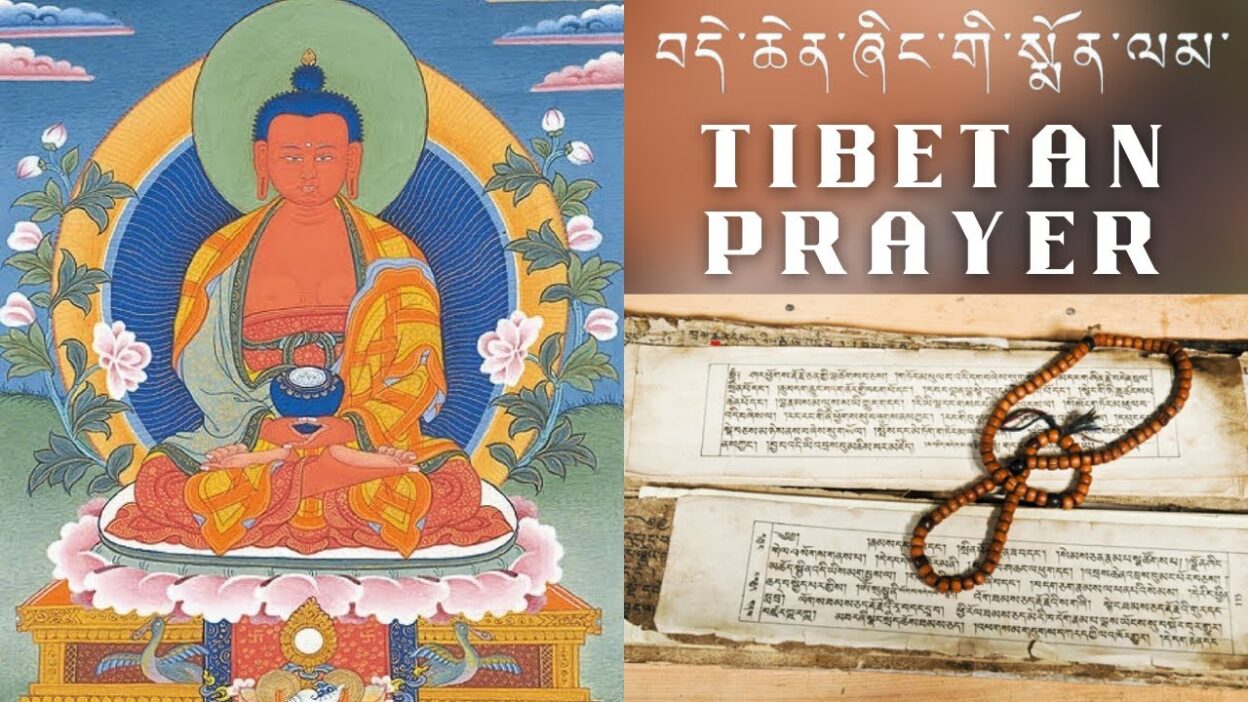
Tibetan Buddhist prayers are powerful tools for cultivating compassion, wisdom, healing, and inner peace. This guide explains the most important Tibetan Buddhist prayers, their Tibetan names, purposes, and who they are for.
Introduction
Tibetan Buddhism contains a vast and profound prayer tradition developed over centuries. These prayers are not simply requests for help; they are methods to train the mind, purify negative karma, and awaken compassion and wisdom.
Whether you are new to Buddhism or deepening your spiritual practice, understanding which prayer to use and when can make your practice more meaningful and effective.
This article presents a carefully selected list of common Tibetan Buddhist prayers, organized by purpose and explained in clear, accessible language.
Tibetan Buddhist Prayers for Removing Obstacles
Prayer to Guru Rinpoche (Padmasambhava)
Tibetan: གུ་རུ་རིན་པོ་ཆེ་ལ་གསོལ་འདེབས་
Wylie: gu ru rin po che la gsol ’debs
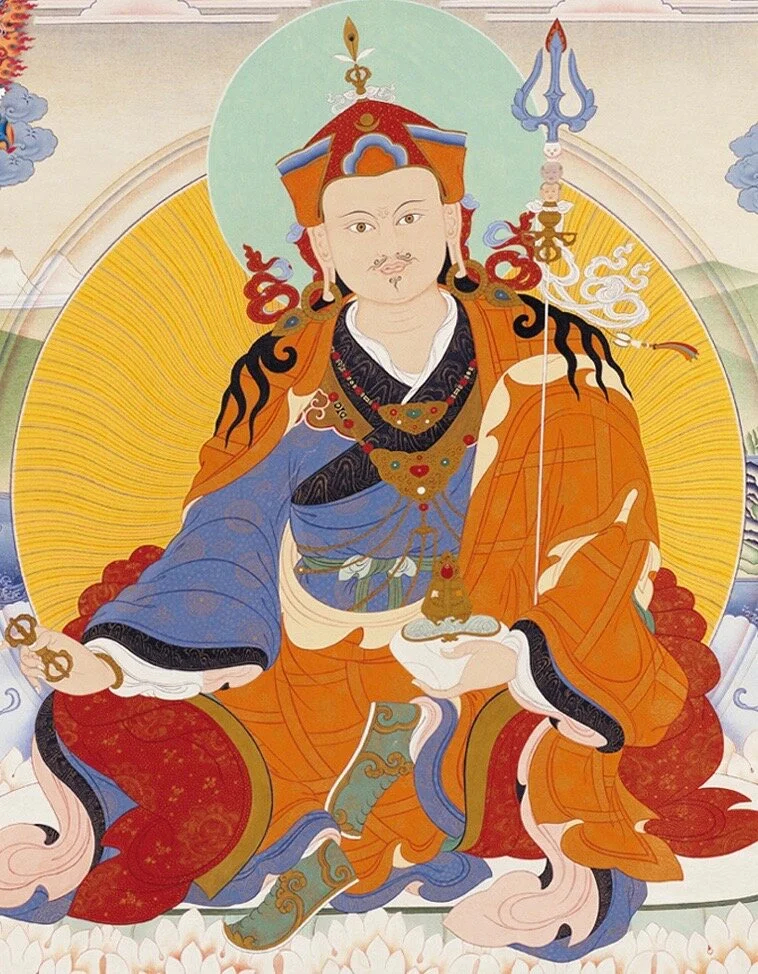
Guru Rinpoche is considered the founder of Tibetan Buddhism. His prayers are widely used to overcome difficulties on both the spiritual and everyday levels.
Purpose:
Removes outer obstacles (conflict, illness), inner obstacles (fear, confusion), and karmic obstacles.
When to Practice:
During challenging life situations, before important decisions, or when feeling blocked.
For Whom:
Suitable for beginners and advanced practitioners.
Green Tara Prayer
Tibetan: སྒྲོལ་མ་ལ་གསོལ་འདེབས་
Wylie: sgrol ma la gsol ’debs
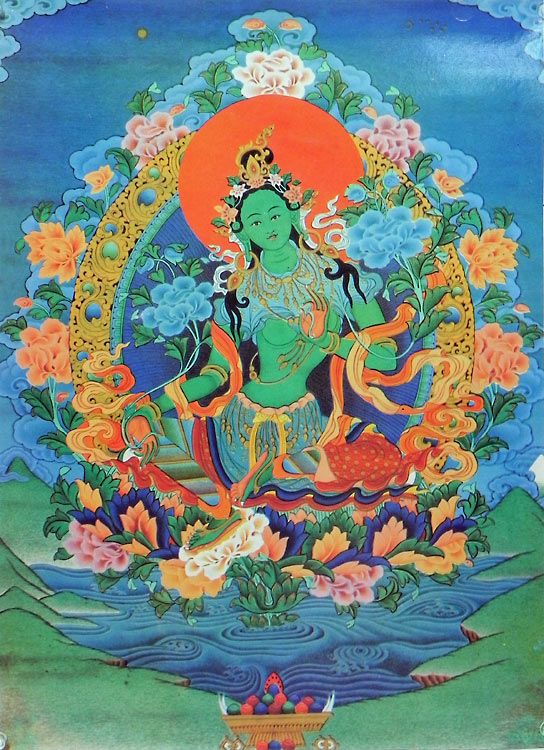
Green Tara represents swift compassion and immediate assistance.
Purpose:
Protection from fear, danger, anxiety, and sudden obstacles.
When to Practice:
In emergencies, stressful situations, or when quick help is needed.
For Whom:
All practitioners; especially popular among students and travelers.
Tibetan Buddhist Prayers for Purification
Vajrasattva Purification Prayer
Tibetan: རྡོ་རྗེ་སེམས་དཔའི་བསྟོད་པ་
Wylie: rdo rje sems dpa’i bstod pa

Vajrasattva practice is one of the most important purification methods in Tibetan Buddhism.
Purpose:
Purifies negative karma, regret, and broken commitments.
When to Practice:
After making mistakes, before meditation, or as a daily purification practice.
For Whom:
Anyone seeking emotional and spiritual cleansing.
Prostration to the 35 Buddhas
Tibetan: སངས་རྒྱས་སུམ་ཅུ་རྩ་ལྔ་ལ་ཕྱག་འཚལ་
Wylie: sangs rgyas sum cu rtsa lnga la phyag ’tshal
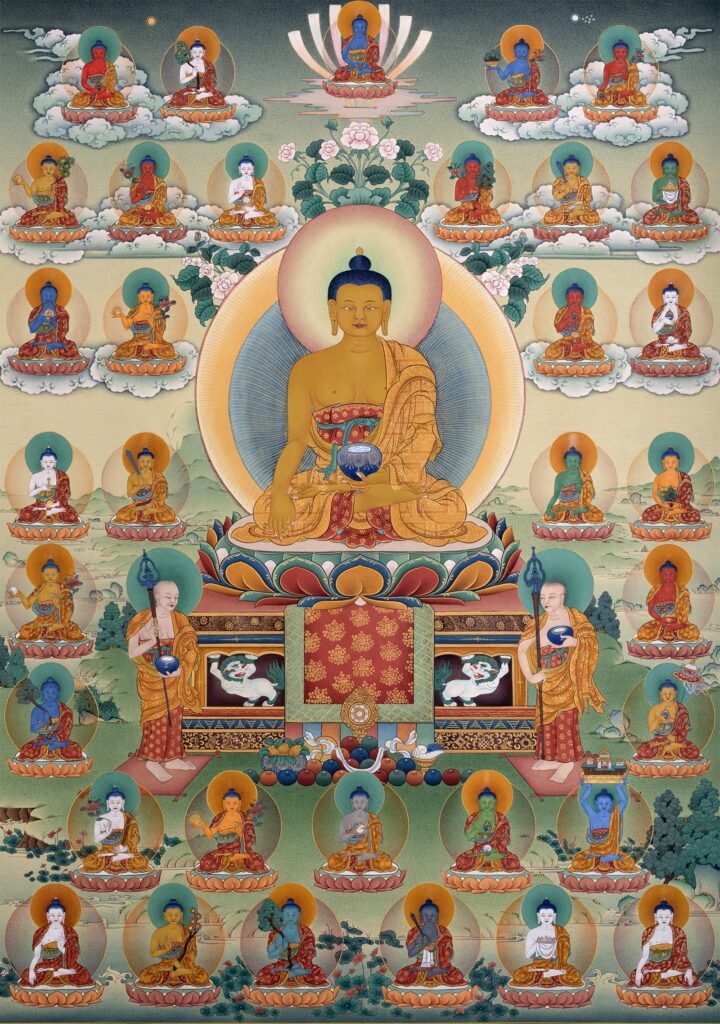
Purpose:
Deep confession and purification of past negative actions.
When to Practice:
During confession days or intensive spiritual practice periods.
For Whom:
Dedicated practitioners.
Tibetan Buddhist Prayers for Compassion
Chenrezig (Avalokiteshvara) Prayer
Tibetan: སྤྱན་རས་གཟིགས་ལ་གསོལ་འདེབས་
Wylie: spyan ras gzigs la gsol ’debs
Chenrezig embodies universal compassion.

Purpose:
Develops kindness, empathy, and compassion toward all beings.
When to Practice:
Daily practice or during emotional difficulties.
For Whom:
Ideal for beginners, families, and caregivers.
Tibetan Buddhist Prayers for Wisdom and Study
Manjushri Prayer
Tibetan: འཇམ་དཔལ་དབྱངས་ལ་གསོལ་འདེབས་
Wylie: ’jam dpal dbyangs la gsol ’debs
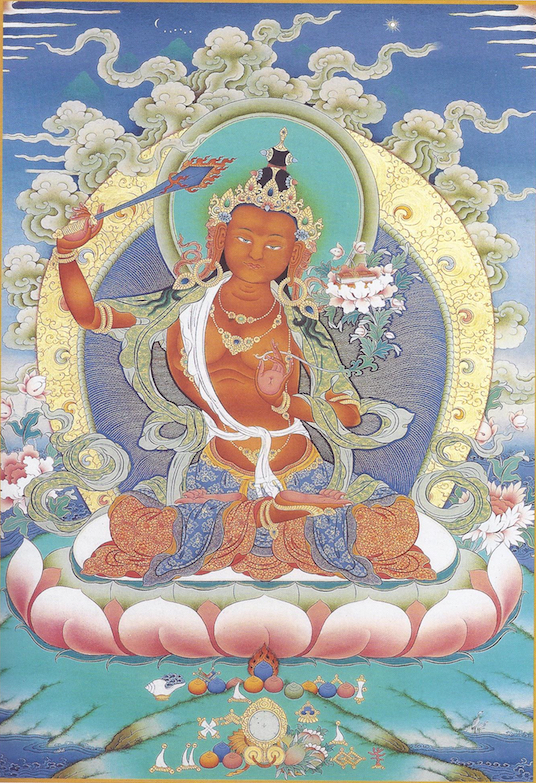
Purpose:
Enhances wisdom, memory, learning, and clarity.
When to Practice:
Before studying, teaching, or exams.
For Whom:
Students, teachers, and scholars.
Heart Sutra
Tibetan: ཤེས་རབ་སྙིང་པོ་
Wylie: shes rab snying po
One of the most important texts in Mahayana Buddhism.
Purpose:
Cultivates insight into emptiness and wisdom.
When to Practice:
During meditation or on full and new moon days.
For Whom:
Intermediate and advanced practitioners.
Tibetan Buddhist Prayers for Healing and Protection
Medicine Buddha Prayer
Tibetan: སྨན་བླ་ལ་གསོལ་འདེབས་
Wylie: sman bla la gsol ’debs
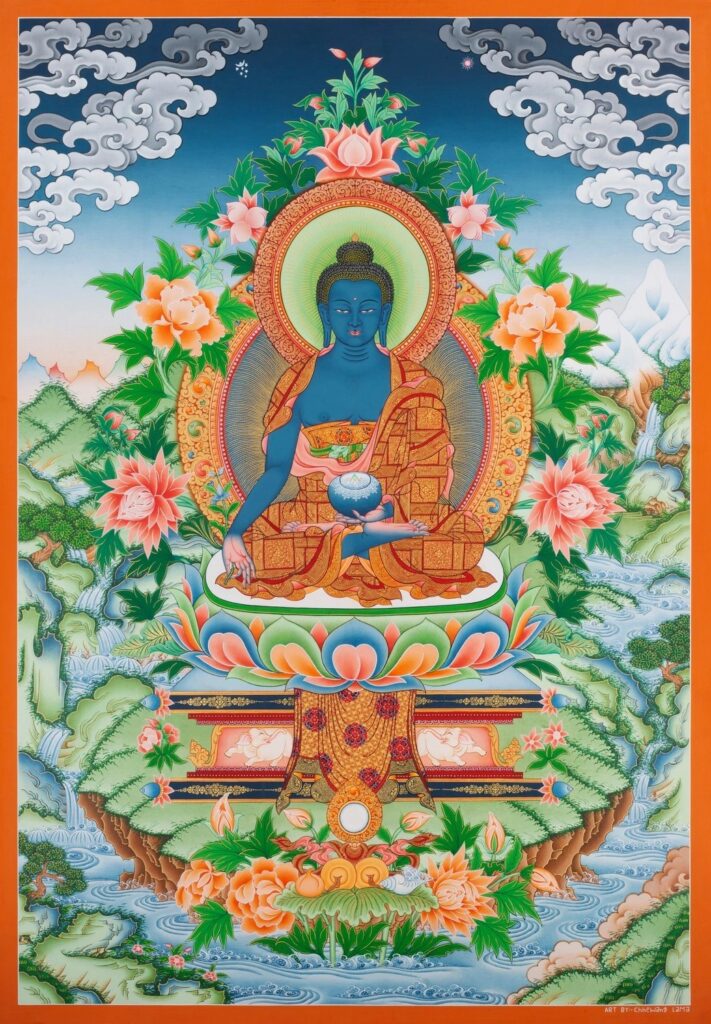
Purpose:
Supports physical healing and mental well-being.
When to Practice:
During illness or when praying for others’ health.
For Whom:
Patients, caregivers, and compassionate practitioners.
White Tara Long Life Prayer
Tibetan: སྒྲོལ་མ་དཀར་མོའི་བསྟོད་པ་
Wylie: sgrol ma dkar mo’i bstod pa

Purpose:
Promotes longevity, vitality, and peaceful aging.
When to Practice:
On birthdays or during illness.
For Whom:
Elders, teachers, and all practitioners.
Foundation Tibetan Buddhist Prayers
Refuge Prayer
Tibetan: སྐྱབས་སུ་མཆི་བ་
Wylie: skyabs su mchi ba
Purpose:
Affirms commitment to Buddha, Dharma, and Sangha.
When to Practice:
At the beginning of every Buddhist practice.
For Whom:
Everyone, especially beginners.
Dedication of Merit
Tibetan: བསྔོ་བ་
Wylie: bsngo ba
Purpose:
Directs the benefits of practice toward all beings.
When to Practice:
At the end of every prayer or meditation.
For Whom:
All practitioners.
Frequently Asked Questions
What is the best Tibetan Buddhist prayer for beginners?
The Refuge Prayer, Chenrezig Prayer, and Dedication of Merit are ideal for beginners.
Can anyone recite Tibetan Buddhist prayers?
Yes. Most prayers can be practiced by anyone, regardless of background.
Do Tibetan Buddhist prayers need initiation?
Most general prayers do not. Advanced tantric practices require guidance from a qualified teacher.
Final Thoughts
Tibetan Buddhist prayers provide practical methods for cultivating peace, compassion, and wisdom in everyday life. Even a short daily prayer routine can create meaningful inner change over time. Click here to see our Printed High Quality Canvas Thangka Paintings